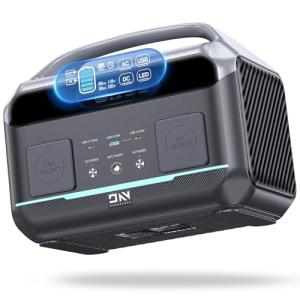
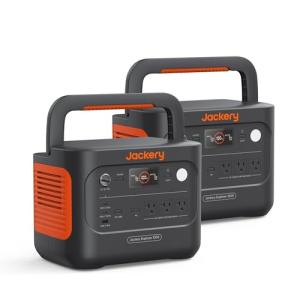
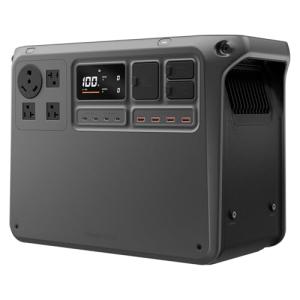
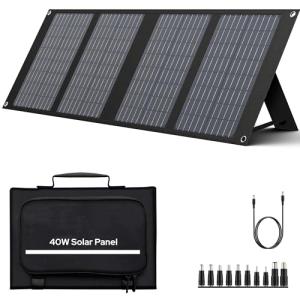
Living the vanlife means having a reliable power source while you’re on the road. That's where power banks and power stations come in handy. But what’s the difference between a power bank and a power station? Let's break it down.
A power bank is a compact, portable battery that can charge your small devices like smartphones or tablets. They usually come in various capacities, so you can choose one based on how often you need a charge. These are perfect for short trips or when you're just chilling at a campsite and need to top off your devices. Plus, they’re lightweight and easy to pack.
On the flip side, we have power stations. These beasts provide significantly more power and can run larger appliances like laptops, mini-fridges, or even CPAP machines. Power stations are bulkier but are great for long-term vanlife adventures where you might not have access to traditional power sources for a while. They typically offer multiple outlets, including AC, USB, and sometimes even car ports.
When you think about the differences between power bank and power station, the size and capacity are the big factors. If you need something for quick charges, a power bank is your friend. But if you're setting up a mini powerhouse in your van, a power station is the way to go. Make sure to choose based on your specific needs and how much gear you plan to bring along on your adventure!
Understanding Power Stations for Vanlife
When it comes to vanlife, having a reliable power source is key. You want something that keeps your devices charged, your lights on, and your coffee maker buzzing. But with so many options out there, how do you know what’s what? Let’s clear up the differences between power bank and power station.
Power banks are small, portable chargers designed to juice up your phone, tablet, or other small gadgets. They’re lightweight, easy to carry, and perfect for quick recharges when you’re on the go. However, they often don’t pack a ton of power. If you’re just looking to keep your phone alive for the occasional call or Instagram post, a power bank is an affordable solution.
On the flip side, power stations are the heavyweights of portable energy. These units can handle bigger loads, like running a mini fridge, charging multiple devices at once, or even powering a small appliance. They’re bulkier and heavier, but if you’re planning on spending a lot of time off the grid, a power station is a smarter choice. You’ll get a bigger battery capacity, more outlets, and the ability to recharge a wider range of devices.
When weighing the differences between power bank and power station, think about your needs. If your adventures are short and focused on your phone or laptop, a power bank does the trick. But if you want to power up multiple devices or larger items over extended periods, go for the power station. It’s all about what you need for your vanlife experience.
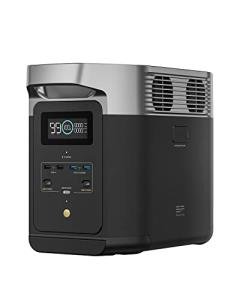
EF ECOFLOW DELTA 2 Expandable Portable Power Station
Power your adventures with the versatile and expandable EF ECOFLOW DELTA 2, designed to keep your devices running wherever you go
Product information
$646.70 $538.69
Product Review Score
4.91 out of 5 stars
79 reviewsProduct links
Key Differences Between Power Sources
When you're living the van life, choosing the right power source is vital. Let's dive into the key differences between power bank and power station, so you can figure out which one suits your adventure best.
First off, let’s talk capacity. Power banks are typically smaller and lighter. They’re great for charging phones, tablets, and small gadgets. If you’re just looking to keep your devices topped up, a power bank does the trick. But if you need to run larger appliances, like a fridge or a coffee maker, you’ll want a power station. These can handle much higher wattages and are built for serious energy needs.
Then there’s the number of ports and outputs. Power banks usually have just a couple of USB ports. That’s fine for charging a few devices. Power stations, on the other hand, come with various outputs including AC, DC, and multiple USB ports. You can plug in several devices at once and power your setup without a hitch.
And let’s not forget about recharging options. Power banks typically rely on a wall charger or USB for power. They can take a while to recharge. Power stations offer flexibility; many let you recharge using solar panels, a car, or a standard outlet. This makes them perfect for off-grid adventures.
In a nutshell, the differences between power bank and power station boil down to what you need for your van life experience. If you're looking for lightweight, easy charging on the go, a power bank is your friend. If you're ready to power up your entire van and enjoy the comforts of home, a power station is the way to go.
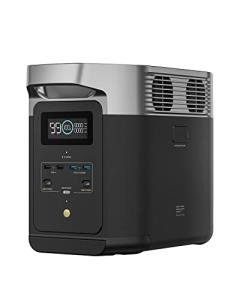
EcoFlow DELTA 2 Portable Power Station with Solar Capability
Stay powered up anywhere you go with this reliable and versatile portable power station
Product information
$943.72 $741.21
Product Review Score
4.88 out of 5 stars
119 reviewsProduct links
Choosing the Right Option for You
When you're living the vanlife, it’s all about staying powered up, right? Choosing between a power bank and a power station can be confusing, especially with all the options out there. You want something that'll keep your devices charged without any headaches. Let’s break down the differences between power bank and power station so you can find what fits your needs best.
Power banks are usually compact and lightweight, making them easy to stash away in a backpack or drawer. They’re perfect for charging smaller devices like phones, tablets, or cameras on the go. If you're planning a quick weekend trip, a power bank is a great buddy. But if you have a laptop or other power-hungry devices, you might find a power bank just doesn’t cut it.
On the flip side, power stations are the real deal for serious vanlifers. They’re bulkier but offer way more power and multiple outlet options. You can run everything from your fridge to your laptop with one of these bad boys. If you plan on spending a lot of time off the grid, investing in a power station will save you stress and let you enjoy your adventures without worrying about running out of juice.
Think about how you plan to use your devices. If you only need to charge a couple of phones, a power bank will do just fine. But for bigger power needs, like running tools or appliances, a power station is the way to go. As you weigh your options, focus on how much power you'll need and how long you want to stay off-grid.