Jumping into the world of portable power stations can be a bit overwhelming, especially for beginners. There are some common mistakes that newbies tend to make, and they can easily be avoided with a little insight. Let’s break down a few of these beginner blunders.
One big mistake is underestimating the power needs. Before you grab a portable power station, you should know what devices you're hoping to charge. It's easy to think that all power stations are the same, but they vary greatly in terms of output capacity. Make a list of everything you plan to use and check the wattage. That way, you won’t find out the hard way that your new gadget can’t handle your coffee maker or laptop.
Another common pitfall is not reading the manual. We’ve all been guilty of skipping it, right? But diving into the portable power station basics for beginners means truly understanding how to operate your unit properly. Those manuals have valuable info, like charging times, maintenance tips, and safety precautions. Ignoring these can lead to performance issues or even damage.
Don’t forget about charging techniques! Many new users think they can just plug in their power station whenever they want, but that’s not always the case. Some models perform best when they're fully charged before the first use. Plus, it's essential to know how to keep it charged efficiently while using it. This knowledge will help extend the life of your portable power station.
Lastly, be cautious about how you store your portable power station. Leaving it in a hot car or letting it sit for long periods without charging can seriously impact battery longevity. Making smart storage choices is key to keeping your unit in great shape, so always consider where you place it when it’s not in use.
Ignoring Battery Capacity and Runtime
Battery capacity is measured in watt-hours (Wh). When you're looking at a power station, pay attention to this number. The higher the watt-hours, the longer your devices will run. If you plan to charge multiple devices on a weekend camping trip, you’ll want a station with a beefy battery. Don’t just pick the first one that catches your eye!
Runtime is another biggie. It tells you how long your power station can support your devices. If you’re planning to power a mini fridge or a laptop, you want to know if it can handle the load and for how long. Always check the specs! Find out how many watts your devices use and compare that to what the power station can supply.
Take a moment to do the math. If you have a device that uses 50 watts and your power station has 500 watt-hours, you could run that device for about ten hours. Easy, right? But if you don't do this simple check, you might end up with a power station that fails you when you need it the most. Remember, understanding battery capacity and runtime is crucial if you want your outdoor adventures to go smoothly.
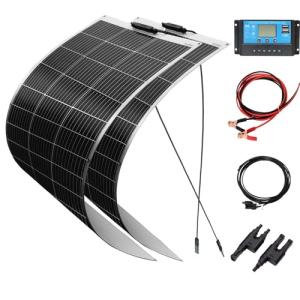
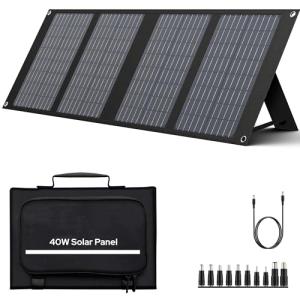
200W Flexible Solar Panel Kit with Charge Controller
Get reliable energy anywhere with this compact and lightweight solar panel kit
Product information
$230.36
Product Review Score
4.64 out of 5 stars
127 reviewsProduct links
Overlooking Port Options and Compatibility
When you’re diving into the world of portable power stations, it’s super important to consider the port options and compatibility. You could end up with a fantastic power station that doesn’t fit your needs if you skip this step. Trust me, getting the right output ports is key to making sure you can power all your gear.
Check out the types of ports your portable power station has. Look for USB-A, USB-C, and AC outlets among the choices. If you’ve got multiple devices that need charging, a good mix of these ports is crucial. A station with just a couple of USB ports might not cut it if you’re trying to keep your phone, laptop, and other gadgets going at the same time.
Don’t forget about power compatibility. The last thing you want is to plug in your fancy new camping fridge only to find out it needs a different voltage or connection type. Before you buy, make sure your devices match what the power station can handle. This is a big part of understanding portable power station basics for beginners. It can save you from a lot of frustrating moments down the road.
Also, think about how you’ll use the station. If you’re planning to take it on camping trips or use it during power outages, consider how many devices you’ll need to charge at once. A higher capacity model can keep you off the grid for longer, but it should also have the right ports to support everything you want to plug in.
By keeping port options and compatibility in mind, you’ll make a smarter purchase. You’ll be ready to tackle any adventure with the right portable power station. Don’t skip this step; it can really make or break your experience.
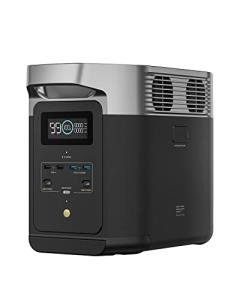
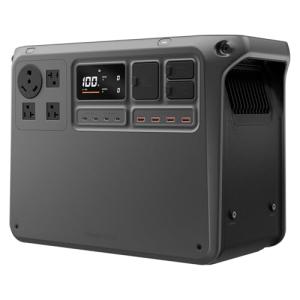
EcoFlow DELTA 2 Portable Power Station with Solar Capability
Stay powered up anywhere you go with this reliable and versatile portable power station
Product information
$947.75 $744.37
Product Review Score
4.88 out of 5 stars
119 reviewsProduct links
Neglecting Safety Tips for Outdoor Use
When you're all set for an outdoor adventure with your portable power station, safety should be at the top of your checklist. Ignoring safety tips can lead to some troublesome situations, and you don’t want that ruining your fun. From choosing the right spot to understanding your gear, keeping these basics in mind makes a big difference.
First, always read the manual. It might seem like a chore, but understanding how your portable power station works can save you from a lot of headaches. Knowing its limits, setup requirements, and safety features helps you avoid those rookie mistakes. Plus, most manufacturers include vital safety information that can come in handy out in the wild.
Next, pick a suitable location for your power station. Keep it away from water, and avoid placing it in direct sunlight for long periods. Excessive heat can damage your equipment or even lead to overheating. A shaded, dry spot is your best bet for optimal performance. Remember, those portable power station basics for beginners can help you set up safely and effectively.
Finally, don’t overload your power station. It can be tempting to plug in everything at once, but exceeding its capacity can not only blow fuses but also pose fire hazards. Stick to the manufacturer's guidelines for what you can safely connect. Keep an eye on the battery level, too. Regularly check in on your power needs and recharge when necessary so you don’t find yourself caught without juice when you need it most.