When you dive into the world of off grid power stations, understanding output capacity is key. Basically, output capacity tells you how much power a portable power station can deliver at once. This is crucial if you want to charge multiple devices or run bigger equipment.
Most power stations list their output in watts. If you want to run a laptop or a small fridge, check the wattage. Laptops typically need about 60 to 100 watts, while a compact fridge might require 70 to 200 watts. Knowing these numbers helps you pick a unit that fits your needs.
It’s not just about how much power it can output but also how long it can hold that power. Look at the battery capacity, usually measured in watt-hours (Wh). For example, a 500Wh power station can run a 100-watt device for about five hours. This off grid power station explained concept gives you a solid foundation for what to expect from your power source.
Also, consider the number of outputs, like AC outlets, USB ports, and 12V car ports. More options mean you can charge or run several devices at once. If you’re planning a camping trip with friends or family, you’ll want something that can power multiple devices to keep everyone happy!
What Output Means for Your Needs
When looking at an off-grid power station, output is a big deal. It tells you how much power the station can deliver. If you plan to use it for specific devices, knowing the output helps you figure out if it’s up to the task. Want to charge your phones, run a mini fridge, or power up a few lights? You’ll want a station with an output that meets those needs.
So, what should you keep in mind? First off, check the wattage of your devices. A standard phone charger usually requires around 10-20 watts. But if you're eyeing something bigger, like a small refrigerator, you might need upwards of 100-200 watts. An off grid power station explained in this way makes it easier for you to match your needs with the right product.
It’s also important to consider how many devices you want to power at once. If you plan to use multiple things simultaneously, look for a power station with higher output capability. This way, you won’t have to worry about overloading it or running out of juice when you need it most.
Lastly, remember the importance of peak output versus continuous output. Peak output is the burst of power your station can handle for a short time, like when a fridge starts up. Continuous output is what it can maintain over longer periods. Understanding these differences helps guide your choices and ensures you get something that won’t leave you hanging.
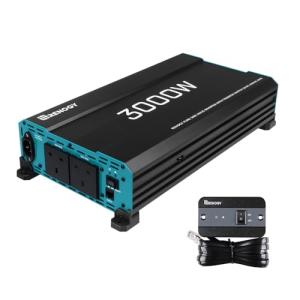
Renogy 3000W Pure Sine Wave Inverter for Solar
Power your off-grid adventures with reliable and efficient energy for all your essential devices
Product information
$459.80 $365.11
Product Review Score
4.37 out of 5 stars
118 reviewsProduct links
How to Choose the Right Capacity
When it comes to choosing the right capacity for your off grid power station, it can feel a bit overwhelming. The key is to start by figuring out your energy needs. Think about what devices you'll be using and how much power they require. For example, a small portable fridge will need more juice than a phone charger. Make a list of everything you plan to power.
Once you've got your list, look at the wattage of each device. A quick way to do this is to check the labels or do a quick search online. Add up the total wattage to see what you're working with. This total tells you the minimum capacity you'll want for your off grid power station. But don’t stop there!
Consider how long you plan to be off grid. If it’s just for a weekend, smaller power stations might do the trick. But for longer trips or emergencies, you'll want a larger capacity to meet your needs. Keep in mind that it's always smart to have a little extra capacity to cover unexpected energy demands. This is part of what makes understanding off grid power station explained so crucial.
Finally, think about the weight and portability. If you're hiking or camping, a bulky power station might not be practical. Look for battery options that strike a balance between capacity and weight. Some models come with modular options, so you can connect multiple units for extra power when needed without losing the convenience of portability.
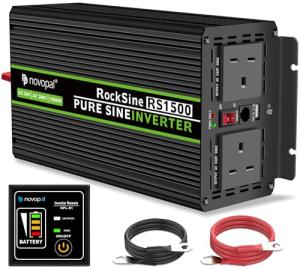
NOVOPAL 1500W Pure Sine Wave Power Inverter
Get reliable power wherever you go with the NOVOPAL 1500W Pure Sine Wave Power Inverter, designed to keep your devices running smoothly
Product information
$194.73 $184.99
Product Review Score
4.68 out of 5 stars
184 reviewsProduct links
Maximizing Your Power Station Effectiveness
To really get the most out of your off grid power station, you need to understand how to maximize its effectiveness. Here are some simple tips to help you out and make sure you’re using it to its full potential.
First off, know your power needs. Calculate how much energy you’ll use on a daily basis. List all your devices—lights, chargers, appliances—and figure out their wattage. This way, you won’t get caught off guard. The last thing you want is to run out of juice when you need it most.
Next, use energy-efficient devices. These little champs consume less power which means you can run them longer without draining your off grid power station. For example, LED lights are a great choice. They give off plenty of brightness without hogging your energy.
Don’t forget about solar panels! If your power station supports solar, harness that sun power. It’s a game changer, especially if you’re camping or enjoy outdoor adventures. You can recharge your station during the day and have power at night, which is a huge win.
Lastly, keep everything well-maintained. Check the connections, clean the solar panels, and ensure the battery is in good shape. A little care goes a long way in keeping your off grid power station working smoothly. Trust me, you’ll be grateful when it’s time to power up your devices.