Let’s dive into the basics of batteries without the complicated jargon. Understanding how batteries work can help you choose the right one for your needs, especially if you’re considering a portable power station. Whether you're off on a road trip, camping, or living the vanlife, knowing the differences in battery types is super helpful.
Two popular types of batteries for portable power stations are lithium and LiFePO4 (lithium iron phosphate). You might wonder, “What’s the deal with lithium vs LiFePO4 power station vanlife?” Well, here’s the scoop: lithium batteries are lighter and usually more powerful. They charge faster and have a longer lifespan, making them a favorite for many. If you're constantly on the move, a lighter battery can make a big difference.
On the flip side, LiFePO4 batteries are known for their safety and stability. They don’t overheat easily, which can be a big plus when you’re camping or parked in the sun. Although they might weigh a bit more and charge slower, they’re incredibly reliable. If you want something that could last longer and handle high temperatures, keep an eye on LiFePO4 batteries.
Ultimately, the choice between lithium and LiFePO4 comes down to your specific needs. If you need something lightweight and powerful, go for lithium. If safety and longevity are your top priorities, you'll want to lean toward LiFePO4. Knowing these details can help you make an informed decision for your adventures on the road!
Types of Battery Chemistry Explained
When it comes to off-grid power stations, battery chemistry plays a big role in how well they perform. It’s all about finding the right type to suit your needs. Let’s break down a couple of popular options: lithium and LiFePO4, so you can pick the best battery for your vanlife adventures.
Lithium-ion batteries are widely recognized for their power-packed performance. They're lightweight, charge quickly, and have a long lifespan. This makes them super convenient for those weekend getaways or longer vanlife journeys. You can rely on them to provide ample energy for your devices, appliances, and even some heavy-duty gear without breaking a sweat.
On the flip side, LiFePO4 batteries are a specific type of lithium battery that focus on safety and stability. They handle heat better, which means they’re less likely to catch fire compared to regular lithium-ion batteries. If you’re out in the wild and worried about safety, LiFePO4 could be your go-to option. Plus, they offer a longer cycle life, so you get more bang for your buck in the long run.
So, when you’re weighing the lithium vs LiFePO4 power station vanlife dilemma, think about how you plan to use your power station. If you want lightweight, high-capacity energy for various activities, lithium-ion might be the way to go. If safety and longevity top your priority list, consider LiFePO4. Either way, both types can make your outdoor adventures a breeze!
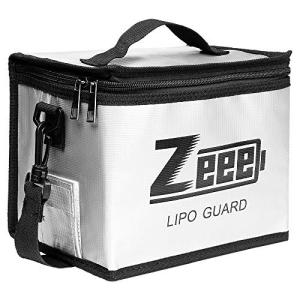
Zeee Fireproof Lipo Battery Storage Bag
Keep your batteries safe and organized with this fireproof storage bag that offers peace of mind during charging and transport
Product information
Product Review Score
4.88 out of 5 stars
33 reviewsProduct links
How to Choose the Right Battery
Choosing the right battery can feel overwhelming, but it doesn’t have to be! Start by figuring out what you need from your battery. Are you using it for camping, vanlife, or a tiny home? Each scenario has different power requirements, and knowing your needs helps narrow down your options.
When it comes to battery types, lithium and LiFePO4 (lithium iron phosphate) are two popular choices. The debate of lithium vs lifepo4 power station vanlife is common, and for good reasons. Lithium batteries are known for their lightweight design and higher energy density. They’re great if you want a compact power source. On the flip side, LiFePO4 batteries offer excellent thermal stability and longer lifespans, which means they can handle a lot of cycles without degrading.
Consider how much power you need and how long you’ll be away from a power source. If you’re planning long trips, you want a battery that can store enough energy to keep your devices running. Make a list of the devices you'll power, like lights, a fridge, or gadgets. Calculate their wattage and how long you need them to run. This helps you select a battery that won’t leave you in the dark!
Another factor to check is the discharge rate. This tells you how quickly your battery can release energy. If you're running high-power devices like blenders or power tools, a battery with a higher discharge rate is a must. Reading user reviews and product specs can give you insight into performance and reliability.
Lastly, don’t forget to think about weight and size. If you’re living in a van, space is precious. Choose a battery that’s compact but still meets your power needs. Once you balance power, weight, and cost, you'll find the perfect battery for your adventures!
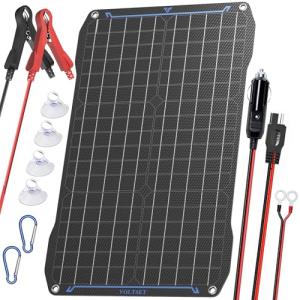
30W Waterproof Solar Battery Charger for Vehicles
Charge your vehicle’s battery anytime, anywhere with this durable, waterproof solar charger
Product information
$94.49
Product Review Score
4.8 out of 5 stars
11 reviewsProduct links
Care Tips for Longer Battery Life
Taking care of your power station can really stretch its life and keep everything running smoothly. Here are some easy tips to help you boost that battery performance, especially if you’re into vanlife and trying to decide between lithium vs lifepo4 power station vanlife.
First things first, don’t let your battery completely drain. Keeping it charged between 20% and 80% is usually the sweet spot. Full discharges can wear it out quicker, so plug it in before it gets too low. Also, give it a rest! If you’re not using your power station for a while, store it at around 40-60% charge. This keeps the cells happy and healthy.
Temperature matters too! Keep your power station in a spot that’s not too hot or cold. Extreme temperatures can negatively impact the battery life. Try to avoid leaving it in a sweltering vehicle or freezing garage. A temperature range of 50°F to 80°F is typically ideal.
Lastly, regular maintenance goes a long way. Keep those connections clean and check for any wear and tear. Dust and grime can reduce efficiency, so wipe it down every now and then. Following these simple care tips will help you get the most out of your lithium or lifepo4 power station and enjoy your adventures without worrying about battery issues.
