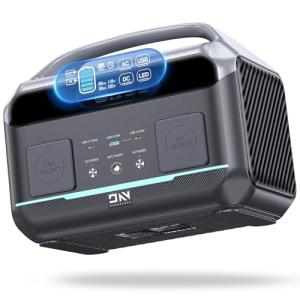
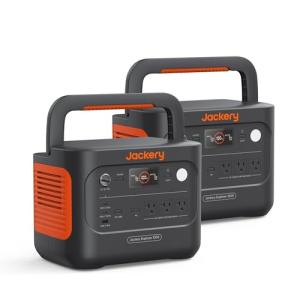
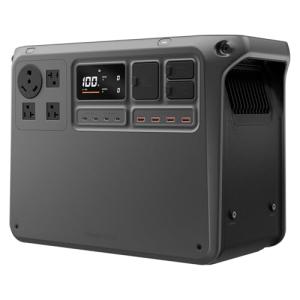
Let’s clear the air about some common misconceptions surrounding portable power stations. Many folks think these devices can replace their entire home power system. But here’s the deal: portable power stations are great for specific uses like camping, road trips, or emergency backup. They won’t power your whole house for days. Think of them as a handy gadget for targeted needs.
Some people worry that portable power stations just don’t have enough juice. Yes, they have their limits, especially regarding higher wattage appliances. If you’re planning to run a heater or a full-size refrigerator, you’ll hit the portable power station limitations off grid. They excel with smaller devices like phones, laptops, and lights, so it’s all about understanding what you can safely run.
You might also hear that portable power stations are too heavy or bulky to take on trips. That’s not entirely true! There are tons of lightweight options out there now, designed to be travel-friendly. Many of them come with easy-carry handles, so you can toss them in your car or carry them to a picnic without breaking a sweat.
Another myth is that these stations are complicated to use. You’d be surprised! Most models have straightforward controls and clear instructions. Plug it in, connect your device, and you’re good to go. It’s about as simple as charging your phone. Plus, many have smart features that help you monitor battery levels and usage, so you can feel confident while using them.
What a Portable Power Station Really Does
So, what exactly does a portable power station do? Think of it as your trusty sidekick when you need a power boost. Whether you're camping in the great outdoors or prepping for a home emergency, these devices provide the juice to keep your essentials running. They usually include multiple outlets for charging phones, laptops, and other gear. You can plug them into a regular wall outlet, charge them with solar panels, or even jumpstart your car's battery when needed.
Now, let’s get real about the power these stations can deliver. A portable power station isn’t a replacement for your home’s power grid. They work great for short-term use or when you’re off the grid, but they have their limitations. If you think you can run your whole house on one of these babies, you might be setting yourself up for disappointment. Understanding portable power station limitations off grid is key to knowing what to expect.
Most small to medium-sized power stations pack enough wattage for crucial devices like refrigerators, lights, and some small appliances. But heavier equipment like power tools or air conditioners? Those are generally out of range for most portable systems. It’s best to check the wattage requirements of your devices and match that against what the power station can handle.
Charging speed matters, too. Depending on the model, recharging your power station can take some time, especially if you’re using solar panels. It’s not always a rapid process, so plan ahead if you need it for a specific time. Make sure to factor in how much power you’ll need and how quickly you can recharge it, especially if you’re going off-grid for a while.
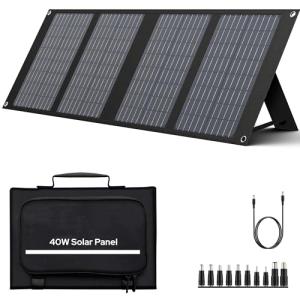
EnginStar 40W Foldable Solar Panel for Power Stations
Get reliable solar power anytime, anywhere with this compact and easy-to-use solar panel
Product information
$79.99 $69.99
Product Review Score
4.11 out of 5 stars
67 reviewsProduct links
Benefits of Using a Portable Power Station
Portable power stations are game changers for anyone looking to go off the grid without sacrificing convenience. Whether you're camping, tailgating, or just need backup power at home, these devices offer a reliable source of energy that you can take anywhere. You can easily charge your devices, run small appliances, or even power tools, all from a compact unit.
One of the biggest perks is the ease of use. Most portable power stations come with multiple outlets, including USB ports, AC outlets, and even DC carports. This means you can charge up your phone, power a mini fridge, and run lights—all at the same time. Plus, they are usually lightweight and have easy-to-carry handles, so transporting them is a breeze.
Another fantastic benefit is solar compatibility. Many portable power stations can be charged using solar panels, making them perfect for off-grid adventures. Just set up your solar panel, and you’re collecting energy directly from the sun. This is a sustainable solution that cuts down on traditional energy sources, and it’s a great way to embrace an eco-friendly lifestyle.
You might wonder about portable power station limitations off grid, but they’re often less of a concern than you’d think. With various models available, you can find a power station that suits your specific needs. Whether you require a smaller unit for charging personal devices or a more powerful one for household appliances, there’s a perfect fit waiting for you.
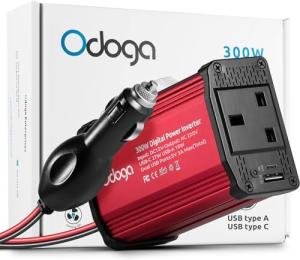
Odoga 300W Portable Car Power Inverter
Power your adventures with this compact and efficient inverter, perfect for charging devices on the go
Product information
Product Review Score
4.37 out of 5 stars
98 reviewsProduct links
Choosing the Right Portable Power Station for You
Finding the right portable power station can feel overwhelming with so many options out there. But it doesn't have to be. Start by thinking about what you'll really need it for. Are you going camping? Running power tools? Charging devices? Knowing your primary use is step one.
Next up, check the wattage. This number tells you how much power you can draw from the station at one time. If you're looking to power bigger devices, aim for a higher wattage. Smaller stations work great for charging phones and laptops, while larger ones can handle small appliances and tools.
Don’t forget to consider battery type and capacity. Lithium-ion batteries are popular because they last longer and weigh less. Keep an eye on the capacity too – it's usually measured in watt-hours (Wh). The higher the watt-hours, the more juice you get. Knowing the portable power station limitations off grid can save you from surprises when you're in the great outdoors.
Think about the charging options too. Some power stations can be charged through AC outlets, solar panels, or even car chargers. If you'll be using it off the grid often, solar charging options can be a game changer. Lastly, portability matters. You don’t want something bulky when you’re on the go. Check the size and weight before committing.