Choosing the right power station can be a bit overwhelming, especially if you're new to the concept. Don’t sweat it! This beginner guide to off grid power stations is here to help you figure out what you really need.
First off, think about how you'll use the power station. Are you planning weekend camping trips or need backup during storms at home? If you’ll mainly charge small devices like phones and tablets, a compact power station will do the trick. But if you want to run things like a mini fridge or a CPAP machine, you’ll want something with more wattage.
Next, consider the battery type. Lithium-ion batteries are popular because they're lightweight and last a long time, but they can come at a higher price. Lead-acid batteries are cheaper but heavier and don’t last as long. Know your budget and decide what trade-offs you’re willing to make.
Portability is another huge factor. If you’re hiking or camping, you'll want a lightweight station that’s easy to carry. On the other hand, if your main goal is back-up power for your home, a heavier, bulkier unit might be fine. Just make sure you can get it where you need it!
Lastly, check the features. Some power stations come with extra goodies like USB ports, solar charging ability, or even Bluetooth connectivity to monitor usage. Think about what’s important to you. With the right research, you’ll find a unit that’s perfect for your space, lifestyle, and needs. Happy shopping!
Understanding Power Station Features
When diving into the world of off grid power stations, it helps to understand the key features they offer. This is a must for anyone looking to find the right power station for their needs. In this beginner guide to off grid power stations, I'll break down what to look for.
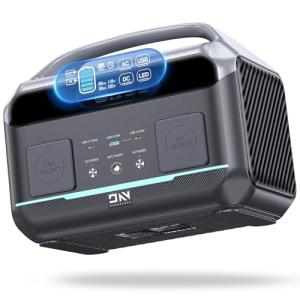
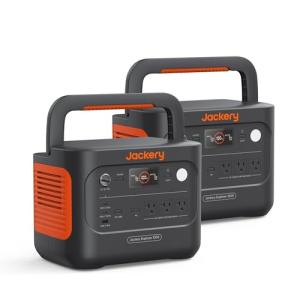
First off, check the capacity. This tells you how much energy the station can store. It's usually measured in watt-hours (Wh). The higher the watt-hour rating, the more devices you can charge or power at once. If you're camping or need it for a small cabin, something between 200Wh to 500Wh might do the trick. But for bigger setups or multiple devices, aim for at least 1000Wh.
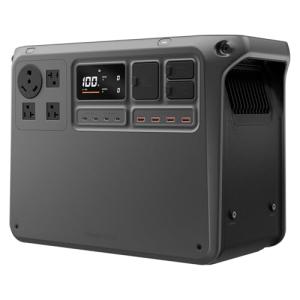
Next, look at the output options. Some stations come with a mix of AC outlets, USB ports, and even DC options. If you plan on using your power station for different devices - like laptops, coolers, or lights - you’ll want a variety of ports. Also, check the total output wattage. This matters when you want to power several things at once.
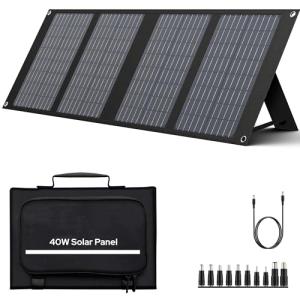
Don’t forget about the recharge time and method. Some stations recharge through solar panels, car chargers, or wall outlets. Solar charging is super handy for off grid adventures, but make sure the recharge time is reasonable. Some models can take a bit too long, so look for one that fits your schedule and style.
Finally, consider portability. If you’re planning to take your power station on the go, weight and size are key. Lightweight options that fit in your backpack are awesome for hiking trips. Meanwhile, larger units might offer more power but can be a bit cumbersome. Choose what works best for your lifestyle.
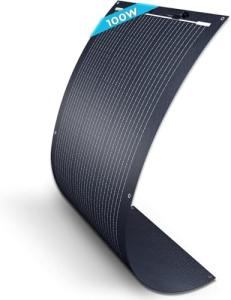
Renogy 100W Bendable Solar Panel for Off-Grid Power
Stay powered up anywhere with this lightweight and flexible solar panel designed for all your off-grid adventures
Product information
Product Review Score
4.89 out of 5 stars
181 reviewsProduct links
Best Uses for Portable Power Stations
First off, portable power stations are ideal for outdoor adventures. Whether you’re camping, hiking, or tailgating, having a reliable power source means you can charge your phones, run your cooler, and even power small appliances. It’s all about convenience and comfort when you’re enjoying the great outdoors.
But it’s not just about fun trips; these power stations are also lifesavers during emergencies. If a storm knocks out your power, you can keep essential items like lights and medical devices running. Being prepared means peace of mind, and that’s where a portable power station really shines.
And let’s not forget about home use. If you're doing some DIY projects in your backyard or need power for tools, a portable power station can come to the rescue. It’s a great option for those little jobs where having a power outlet nearby isn’t possible.
With this beginner guide to off grid power stations, you can see just how handy these devices can be. They fit into your lifestyle whether you’re hitting the trails, preparing for a storm, or tackling projects at home. You’ll find that having one on hand opens up endless possibilities!

BLUETTI EB70S Portable Power Station, 716Wh Battery
Stay powered up on your adventures with the versatile and compact BLUETTI EB70S, featuring a 716Wh battery to keep all your devices running smoothly
Product information
Product Review Score
4.71 out of 5 stars
206 reviewsProduct links
Tips for Maintaining Your Power Station
Taking care of your power station is super important, especially if you want it to last. Here are some easy tips to keep your unit running smoothly.
First off, keep your power station clean. Dust and dirt can mess with the connections and performance. Just grab a soft cloth and gently wipe down the exterior every now and then. Make sure to check the ports too; they can collect debris.
Next, pay attention to the battery life. For most power stations, it’s a good idea to fully charge them every few months, even if you’re not using them. This keeps the battery healthy and ready to go when you need it. Always refer to your unit’s manual for specific charging tips as well.
Another handy tip is to avoid extreme temperatures. Long exposure to heat or cold can damage the battery and other components. If you can, store it in a cool, dry place to keep everything in top shape.
Lastly, keep an eye on the output. If you notice your power station isn’t delivering power as it should, check the cables and connections. A loose cord can be a quick fix for performance issues. Following these tips ensures you get the most from your investment, as mentioned in our beginner guide to off grid power stations.