Batteries, including those in portable power stations, don’t last forever. Over time, they naturally age and lose their capacity. This process, known as battery degradation, can affect how long you can power your devices when you're off-grid. Understanding how this works is key to getting the most out of your portable power station.
One major factor that affects battery life is the number of charge cycles. Each time you charge and discharge your battery, it goes through a cycle. Lithium-ion batteries, commonly used in portable power stations, typically handle around 500 to 1,500 cycles before their performance starts to dip. The more you use them, the quicker they age.
Temperature plays a big role too. Keeping your portable power station in extreme heat or cold can accelerate battery degradation. High temperatures can cause chemical reactions inside the battery that shortens its life. Conversely, cold temperatures can lead to reduced capacity and efficiency. Storing your power station at moderate temperatures will help prolong its life.
Other factors like discharge rates and the depth of discharge (DoD) also come into play. Frequently fully draining your battery before recharging can lead to faster degradation. Aim to keep your battery charged between 20% and 80% for optimal health. With a little care, you can slow down portable power station battery degradation and enjoy reliable power when you need it most.
Signs Your Battery is Fading
If you're using a portable power station, it’s important to keep an eye on the battery's health. Over time, you might notice some signs that indicate your portable power station battery degradation is happening. Catching these issues early can save you from unexpected power outages when you need them most.
First off, if your power station isn’t holding a charge like it used to, that’s a red flag. If you find that it runs out of juice much quicker during your camping trips or tailgating parties, your battery might be in trouble. Pay attention to how long it lasts compared to when you first got it. A significant drop in usage time is usually a strong indicator of battery degradation.
Another sign is if it struggles to power devices that it used to handle easily. For instance, if you've hooked up your smartphone and a few lights, but it can’t keep up anymore, it’s time to take a closer look at the battery health. This type of struggle often points to the batteries losing their ability to deliver consistent power.
Temperature changes can also be an indicator. If your portable power station feels hot or gets unusually cold while charging or discharging, that’s worth noting. Extreme temperatures can indicate that the battery is working harder than it should or that it’s experiencing trouble internally.
Keep these signs in mind as you use your portable power station. Staying alert to these changes can help you maintain your battery's performance and longevity, so you can continue enjoying your adventures without any hiccups.
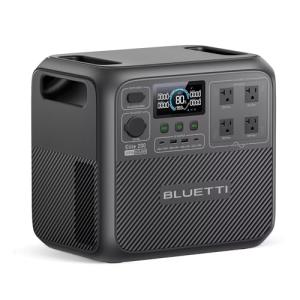
BLUETTI Elite 200 V2 Portable Power Station
Power your adventures with the reliable and versatile BLUETTI Elite 200 V2, perfect for off-grid living and outdoor fun
Product information
$949.00 $799.00
Product Review Score
4.95 out of 5 stars
16 reviewsProduct links
Tips to Extend Battery Lifespan
To keep your portable power station running strong, you’ll want to take some steps to extend the battery lifespan. Let’s dive into some easy tips that can help you get the most out of your power station.
First off, avoid letting your battery completely drain. Batteries work best when you keep them charged between 20% and 80%. If you frequently run it down to zero, you’ll see quicker portable power station battery degradation. Charge it up when it drops below 20%, and unplug it once it hits 80% to keep it healthy.
Next, temperature matters. Keeping your power station in extreme heat or cold can significantly affect how long the battery lasts. Ideally, aim for room temperature. Store it in a cool, dry place and avoid leaving it in a hot car or a freezing garage.
Lastly, don’t leave it plugged in all the time. While it might seem convenient, constant charging isn’t great for the battery. If you’re not using your power station, unplug it after it’s fully charged. This way, you’ll help slow down the dreaded portable power station battery degradation and keep your investment safe for the long run.

ECOFLOW DELTA 2 Portable Power Station Bag
Keep your EcoFlow Delta 2 safe and organized with this convenient carry bag
Product information
Click for price
Product Review Score
4.18 out of 5 stars
21 reviewsProduct links
Choosing the Right Battery for You
When it comes to selecting the right battery for your portable power station, it’s all about understanding your needs. Not every battery is created equal, and knowing what to look for can save you a lot of headaches down the road. Think about how you plan to use your power station. Are you using it for camping trips or emergency backup? That plays a big part in the type of battery you should choose.
Most portable power stations come with either lithium-ion or lead-acid batteries. Lithium-ion batteries are the more popular choice because they’re lighter, last longer, and handle multiple charge cycles like a champ. They also tend to have less portable power station battery degradation over time compared to lead-acid ones. So if you want something that gives you reliable performance without constant worrying about battery life, go for lithium-ion.
But if you’re on a tight budget, lead-acid batteries might catch your eye. They cost less upfront, but keep in mind that they come with heavier weights and shorter lifespans. Plus, if you're not careful with charging cycles, you’ll see portable power station battery degradation happening much quicker than with lithium options. Think about how often you’ll use your power station and how much weight you’re willing to carry.
Lastly, consider the capacity of the battery. This tells you how much energy it can store, which directly impacts how many devices you can charge and for how long. If you plan to run high-power devices, you’ll want to choose a battery with a bigger capacity. Look for batteries listed in watt-hours (Wh) to easily compare your options.