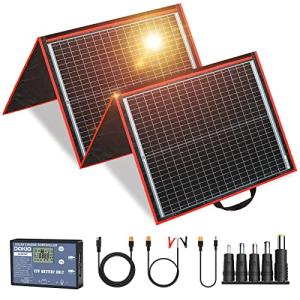
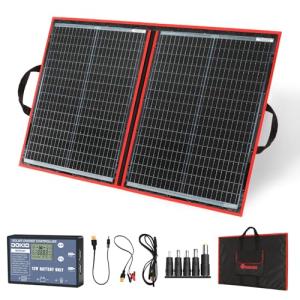
When it comes to solar charging in winter, there are a bunch of myths floating around that can be super misleading. Let’s set the record straight about using a charging power station in winter off grid.
First off, some folks think that solar panels won’t work when it’s cold or cloudy. The truth? Solar panels actually perform well even in chilly weather. Cold temperatures can help them operate more efficiently. Sure, you might see less sunlight during winter months, but your charging power station in winter off grid can still soak up enough rays to keep things running.
Another common myth is that snow will completely block solar panels. While snow can cover panels and reduce efficiency for a short time, it’s usually not a big deal. Solar panels are designed to be somewhat slippery, so snow can slide right off when the sun comes out. Plus, any snow that does stick can melt relatively quickly, allowing you to get back to charging your devices in no time.
Some people also worry that their batteries will freeze, making them less effective. While it's important to keep your batteries within a recommended temperature range, many modern batteries are built to handle colder conditions. If you’re using a quality charging power station in winter off grid, you should be just fine as long as you position it wisely, like keeping it somewhat sheltered from harsh winds and extreme temperatures.
So, don’t let these winter myths hold you back from enjoying solar power during the colder months. A charging power station in winter off grid can be a reliable companion. Just make sure to keep it clear of snow and positioned well, and you'll be good to go!
How Cold Affects Solar Power
When it gets cold outside, it can impact your solar panels and how efficiently they generate power. You might think that winter means there's no sunshine, but that’s not the whole story. Even on chilly, cloudy days, solar panels can still collect some sunlight. The important thing is to understand how cold affects their performance.
Solar panels actually work better in cooler temperatures. The technology behind them means they can convert sunlight to electricity more efficiently when it’s not blazing hot. So, while the days are shorter and the sun might be hiding behind clouds, your charging power station in winter off grid can still operate. It just might not produce as much energy as it does in the summer.
One key factor to keep in mind is snow. If your panels are covered with snow, they won’t get enough sunlight. So, it’s a good idea to check on them during and after snowfalls. If you can safely remove the snow, that could help your system regain some efficiency. Just remember to be careful and don’t damage the panels in the process!
Battery performance can also be affected by the cold. Your charging power station in winter off grid stores energy, and extremely low temperatures might lead to reduced battery capacity. Make sure your batteries are rated for cold weather, and try to keep them as warm as possible. Insulating them or finding ways to keep them out of the cold can help maintain their performance.
So, while winter can present challenges for solar energy, it doesn’t mean your charging power station in winter off grid can’t work. With a little extra care and maintenance, you can still harness the power of the sun, even in the colder months!
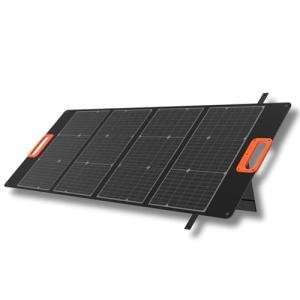
100W Portable Foldable USB Solar Panel for Outdoors
Power up your adventures with this lightweight and compact solar panel that makes charging a breeze
Product information
Product Review Score
4.82 out of 5 stars
218 reviewsProduct links
Best Practices for Winter Usage
Winter can be tough on solar charging power stations, especially if you're off grid. Cold temperatures and shorter days mean that they might not perform as well as they do in summer. But don’t worry, with a few smart practices, you can keep your charging power station in winter off grid running efficiently.
First up, keep your solar panels clear. Snow buildup can block sunlight and reduce charging efficiency. If it snows, make sure to remove the snow from your panels. Use a soft broom or a snow rake to avoid scratching the surface. Even a small amount of sunlight can help during those cloudy winter days.
Next, think about positioning. If you can, tilt your panels at a steeper angle. This helps catch more sunlight during the winter months when the sun is lower in the sky. Adjusting the angle can make a noticeable difference in how much energy you’re able to harvest.
Don’t forget about battery maintenance. Cold temperatures can impact battery performance, so keep your batteries warm whenever possible. If your power station has a built-in heating feature, use it. Otherwise, keep them insulated or in a warmer spot to extend their lifespan and enhance charging capacity.
Last but not least, monitor your power needs. Winter can be demanding on your energy resources. Take note of how much power you use and plan accordingly. If you need extra energy, consider having a backup generator. This way, you can stay on track without worrying about running low when you need it most.
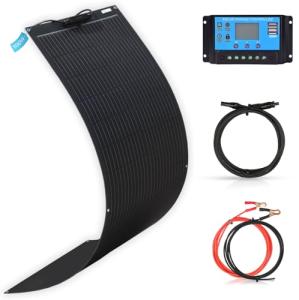
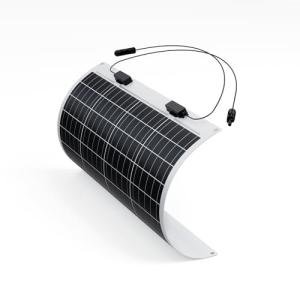
100W Flexible Solar Panel Kit for Off Grid Use
Get reliable power anywhere with this lightweight flexible solar panel kit designed for your off-grid adventures
Product information
$119.45 $113.48
Product Review Score
4.25 out of 5 stars
148 reviewsProduct links
Choosing the Right Gear for Winter
Winter can throw a wrench in your outdoor plans, especially when it comes to solar charging. If you're thinking about a charging power station in winter off grid, there are a few key things to consider. You want gear that can handle the cold and keep your devices powered. Let's break down what to look for.
First up, battery performance. Cold weather can really zap battery life, so pick a charging power station that’s designed for lower temperatures. Look for lithium batteries—they tend to perform better in the cold compared to other types. Check the specs to see the temperature range where the battery operates best. If it can handle freezing temps without losing power, you’re on the right track.
Next, efficiency is key. Solar panels generate less energy in winter due to shorter days and cloud cover. Opt for a charging power station with high-efficiency solar panels. Make sure they can still collect daylight effectively, even when the sun’s not shining bright. Some models come with features that help maximize solar intake, which can really help keep your devices charged.
Don’t forget about portability. If you’re off grid, you might need to move your charging power station around to catch those precious rays. Look for something lightweight and easy to transport, with a solid build that can handle rough conditions. You’ll want to make sure it’s ready for whatever winter throws at you.
Finally, consider the wattage. Think about what you’ll be powering and how much juice you need. Some devices need more wattage to charge efficiently. Make a list of your gear and check that your charging power station can handle everything, even in those colder months. With the right setup, you can have peace of mind knowing you’ll stay connected, no matter how chilly it gets outside.